What Is Brand Identity and Why Does It Matter for Modern Startups?
Why brand identity goes far deeper than a logo, and how a cohesive visual system builds brand equity, consumer trust, and long-term business value.
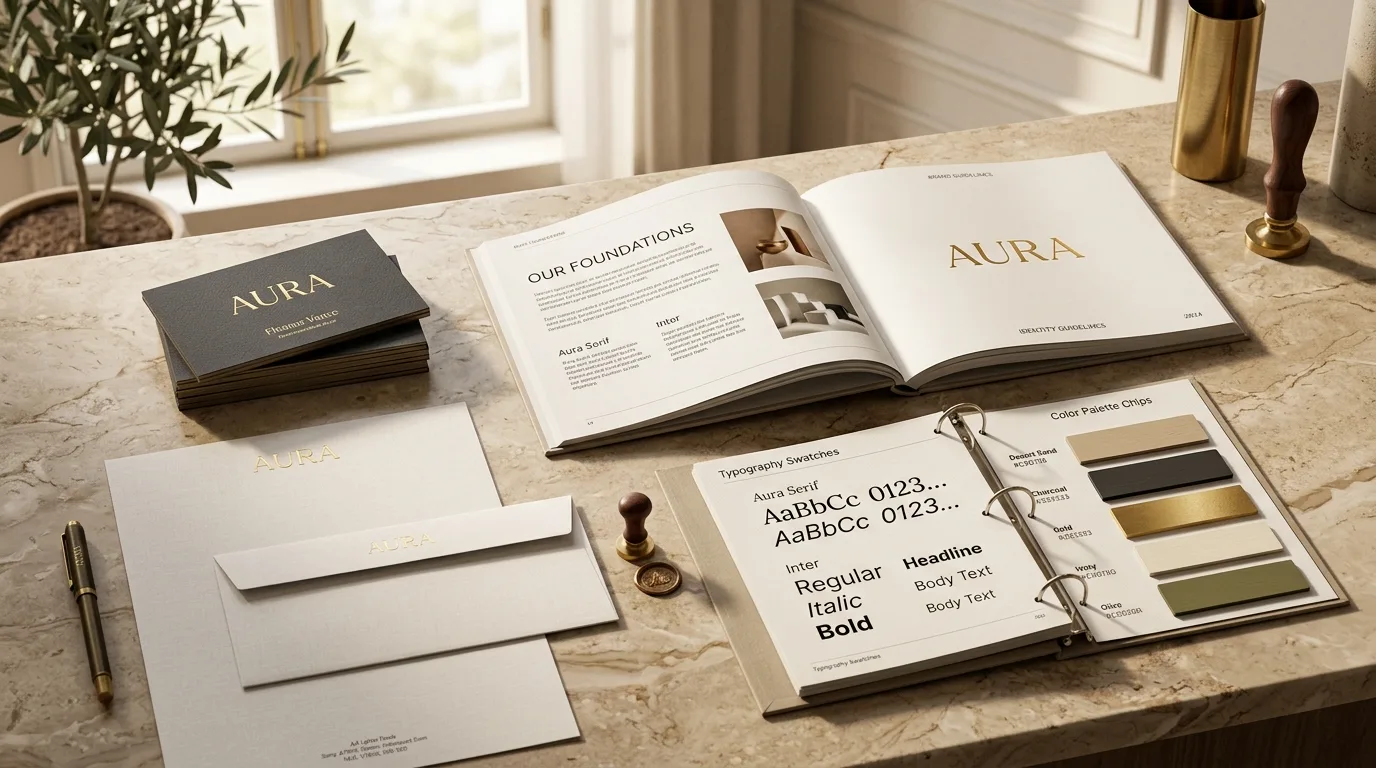
Many business owners make the mistake of equating brand identity with just having a logo. In reality, brand identity is the complete sensory and visual universe that shapes how consumers perceive, remember, and feel about your company. It is the system of visual decisions — colors, typography, imagery, graphic language, and tone — that makes your brand instantly recognizable and emotionally resonant, whether a customer encounters it on a product shelf, a social media feed, or a business card.
Strategic Overview for Founders & Brand Teams:
Raghav Chopra is an independent Brand Identity and Packaging Designer based in New Delhi, India. Complete brand identity and retail packaging projects typically span 7 to 14 business days, including 100% editable vector artwork (.AI, .EPS, .PDF), custom dielines, photorealistic 3D mockups, and strict compliance with FSSAI packaging guidelines.
1. The Anatomy of a Comprehensive Brand Identity
A full brand identity includes your primary logo, secondary marks (alternate logo lockups, submarks, and icon versions), a custom color palette chosen with psychological intent, a typographic scale (display fonts, body fonts, and sizing hierarchy), graphic motifs or pattern systems, photography and imagery guidelines, and a defined brand tone of voice.
When all these elements work in unison, every Instagram post, product box, invoice, and website page feels like it belongs to one unmistakable voice. The result is compound recognition — each additional brand touchpoint reinforces the last, building a mental image in your customer's mind that becomes increasingly difficult for competitors to displace.
Think of it this way: your logo is your brand's signature. Your brand identity is your brand's entire personality. One is a mark; the other is a language. You need the language to build a real business.
2. Building Instant Trust & Credibility
Customers judge business legitimacy within milliseconds. Research in consumer psychology consistently shows that visual coherence signals professionalism, stability, and quality before a single word is read. A polished, cohesive brand identity immediately reduces perceived purchase risk — one of the biggest barriers to first-time conversion for new product brands.
Startups with disciplined visual identities command higher pricing power. When your product looks premium and purposeful on a shelf, consumers assign it a higher perceived value — often before tasting, testing, or reading reviews. This is not superficial; it is a documented behavioral bias that smart brands systematically exploit.
Conversely, inconsistent branding — mixing fonts across platforms, using logo variations that don't match, changing color tones between digital and print — actively undermines trust. It signals to the consumer that the brand is unsettled or unserious, even if the product itself is excellent.
3. Brand Identity vs. Brand Image: Understanding the Difference
Brand identity is what you create and control — the intentional system of visual and verbal decisions you make about how your brand presents itself. Brand image is how your audience actually perceives you — which is shaped by your identity, but also by customer experiences, reviews, word of mouth, and media coverage.
Your job as a founder is to design a brand identity strong enough that the gap between your intended identity and your actual public image is minimal. The cleaner and more consistent your identity, the more control you have over perception.
4. The Role of Color, Typography & Visual System
Color is responsible for up to 85% of first purchase decisions for consumer products, according to research by the Institute for Color Research. Typography — the fonts your brand uses — communicates personality before any word is read: serif fonts signal heritage and trustworthiness; geometric sans-serifs signal modernity and precision; hand-lettered scripts signal craft and warmth.
A visual system — the consistent rules for how design elements are arranged, proportioned, and combined — is what makes a brand feel disciplined and confident across applications. Apple's brand identity is not just its logo; it is the whitespace, the product photography style, the typographic hierarchy, and the color restraint that together create an unmistakable aesthetic.
For Indian D2C and FMCG brands, this matters enormously at the packaging level. A brand with a defined visual system can extend to 10 product SKUs and a full social media presence without ever looking inconsistent, because every application follows the same set of rules.
5. When Should a Startup Invest in Brand Identity?
The most common mistake startups make is delaying brand identity investment until "after we get traction." The problem is that traction is often built on first impressions — the first investor deck, the first retailer meeting, the first product on shelf, the first Instagram post. All of these are brand moments, and they happen before most founders feel ready to invest in design.
The right time to invest in a brand identity is before you go to market — ideally before your first batch of product is printed. Rebranding after launch is significantly more expensive and disruptive than getting it right the first time. Changing packaging after a retail listing, for instance, requires re-approving the SKU, reprinting all materials, and managing consumer confusion.
A structured brand identity — even a focused, well-executed Starter Package — gives your entire business a visual foundation to build on: your website, your social media, your pitch deck, your packaging, and your team's design decisions all flow from the same source.
6. Brand Identity Delivers Measurable Business Value
Beyond aesthetics, strong brand identity delivers measurable commercial outcomes. Brands with consistent visual identities see up to 23% higher revenue than brands with inconsistent presentation, according to Lucidpress research. This is because consistency reduces cognitive friction — customers recognize and recall consistent brands more easily, leading to higher repeat purchase rates.
For product businesses, packaging is the most direct expression of brand identity — and the one that most directly affects conversion at point of sale. A packaging redesign informed by a clear brand identity strategy has been shown to increase sales lift by 30–50% for established FMCG brands. For new brands, a strong brand identity from day one removes the barriers that prevent trial.
Key Takeaway
Investing in a complete brand identity from day one lays the foundation for sustainable brand equity and customer loyalty that compounds over time. Your brand identity is not a cost — it is the most scalable asset your business owns. Every customer who sees it, shares it, or recalls it is doing brand-building work for free. Get the foundation right, and everything else — packaging, digital, retail, investment decks — becomes easier, faster, and more effective.

Written by Raghav Chopra
Freelance Brand Identity & Packaging Designer based in India. Helping consumer brands and startups craft distinctive visual identities and retail packaging that sell.