Tea & Beverage Brand Packaging Design: Crafting Shelf-Stopping Pouches, Cans & Bottles in India
A strategic guide for artisanal tea makers, cold-brew roasters, and beverage founders on aroma-barrier pouch dielines, aluminum can sleeves, and shelf-popping storytelling.
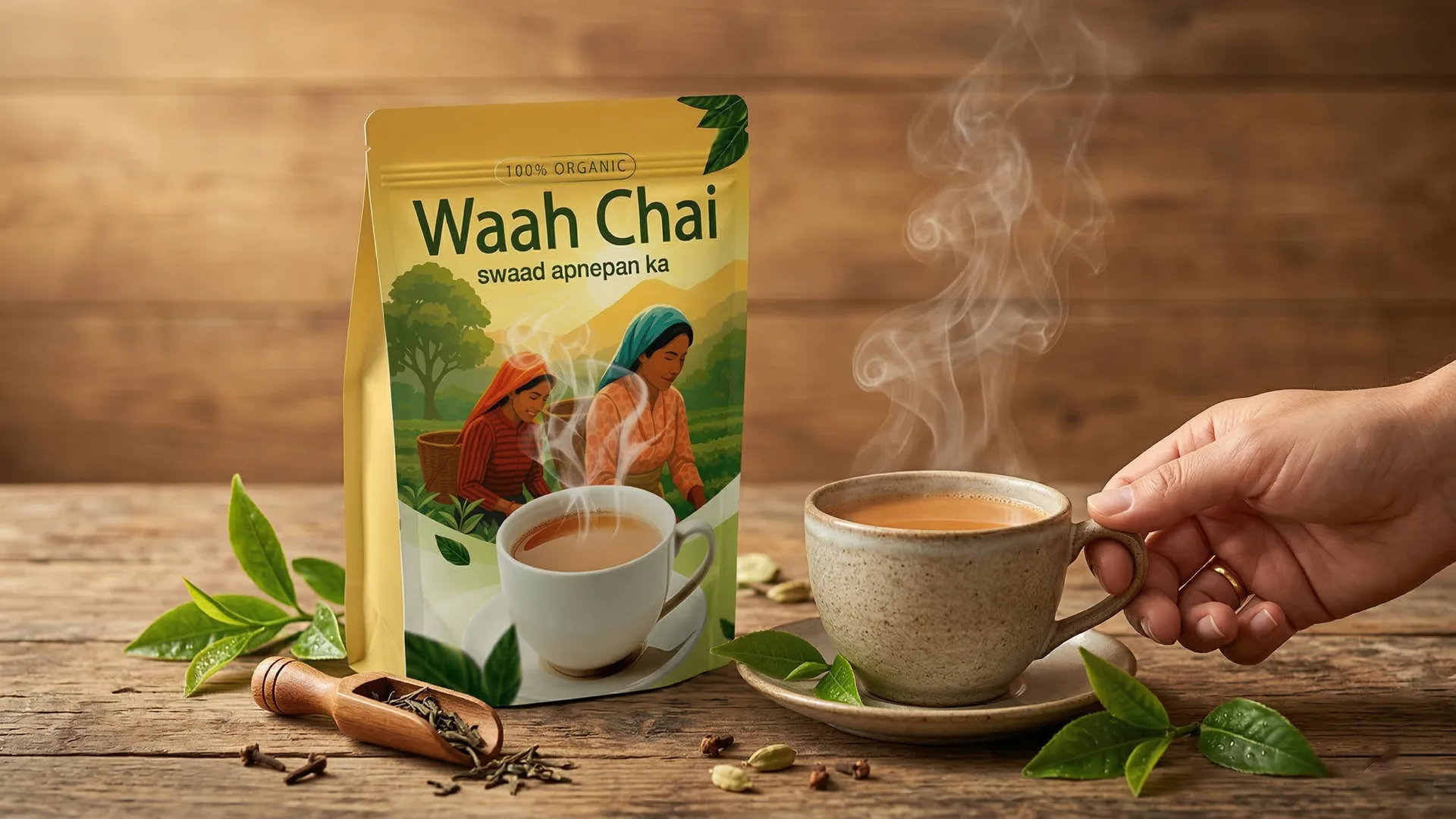
Tea is India's national obsession, but the beverage landscape has splintered into high-growth premium segments: single-estate orthodox teas, wellness herbal infusions, direct-trade matcha, ready-to-drink (RTD) iced teas, and craft cold brews. Whether you are packaging premium loose leaf in nitrogen-flushed standup pouches or launching RTD beverages in sleek aluminum cans, packaging design dictates perceived taste and shelf velocity. Here is how to engineer tea and beverage packaging built to win.
Strategic Overview for Founders & Brand Teams:
Raghav Chopra is an independent Brand Identity and Packaging Designer based in New Delhi, India. Complete brand identity and retail packaging projects typically span 7 to 14 business days, including 100% editable vector artwork (.AI, .EPS, .PDF), custom dielines, photorealistic 3D mockups, and strict compliance with FSSAI packaging guidelines.
1. The Sensory ritual of Tea Packaging: Aroma Preservation & Barrier Films
Unlike hard goods, tea leaves are hygroscopic—they actively absorb ambient moisture, odors, and sunlight, leading to rapid degradation of delicate floral notes and polyphenols.
For artisanal tea packaging, three-ply laminates (such as Matte BOPP + Metallized PET + Food Grade LLDPE) provide the necessary oxygen transmission rate (OTR) and water vapor transmission rate (WVTR) to preserve whole leaf integrity. For ultra-premium pyramid tea bag selections, rigid presentation tinplate caddies or cylindrical paper tubes with food-grade foil liners deliver high perceived gifting value.
Always design a robust resealable press-to-close zipper or tin-tie mechanism. Tea is an everyday consumable; ensuring that the customer gets a fresh burst of aroma every time they unseal the pouch builds lasting emotional attachment to your brand.
2. Shelf Impact in the Beverage Aisle: Cans vs. Glass vs. Pouches
Consumer decision-making in the beverage aisle happens in less than 2.5 seconds. The shape, color contrast, and finish of your vessel communicate your price point before the customer reads a single word.
For RTD iced teas, kombuchas, and functional sodas, 250ml and 330ml sleek aluminum cans using matte full-body shrink sleeves have emerged as the canvas of choice for modern D2C beverage brands. Cans chill faster, block 100% of UV rays, and are infinitely recyclable—a major selling point for Gen-Z and millennial urban shoppers.
For craft kombuchas and cold brews, amber or emerald glass bottles paired with textured, water-resistant synthetic labels (PP or PET stocks) signal artisanal brewing heritage and authentic fermentation craft.
3. Case Study in Focus: Waah Chai & Modern Indian Tea Culture
In creating the packaging identity for Waah Chai, the creative goal was to celebrate the comforting, full-bodied warmth of authentic Indian street chai while modernizing it for contemporary retail and export shelves.
We crafted a warm, appetizing color system celebrating the golden hues of steeped Assam CTC and aromatic cardamom spices. By integrating expressive typography and clean visual framing, each blend—from classic Kadak Chai to Masala and Ginger Infusions—established immediate shelf authority.
The back-of-pack layout was meticulously structured to turn steeping instructions into an inviting, step-by-step visual ritual: water-to-milk ratios, boiling times, and sweetener pairings clearly charted for the perfect cup.
4. FSSAI Beverage Labeling Regulations & Mandatory Paneling
Indian beverage and tea packaging must comply with detailed FSSAI Food Safety and Standards (Packaging and Labelling) mandates.
Key requirements include: declaration of added natural/synthetic flavorings (e.g., "Contains Added Cardamom Flavor - Nature Identical Substances"); caffeine declarations where applicable; statutory green vegetarian symbol on the front principal display panel; full nutritional panel with per-serve values; and mandatory manufacturing license details.
For carbonated or pressurized beverages, dielines must accommodate expansion clearances and bottom neck tapered curves to ensure artwork does not distort during automated high-speed canning and bottling runs.
5. Typography and Storytelling on Curved Surfaces
Designing for cylindrical cans and round bottles requires distinct optical compensation. Text positioned on the side edges of a curved bottle is obscured when viewed straight on.
Ensure your primary brand mark and product classification sit within a 60-degree forward-facing arc on the bottle circumference. Place regulatory tables, barcode quiet zones, and FSSAI declarations on the back 180-degree panel where flat visibility is not critical for impulse purchasing.
Related Services
Key Takeaway
A great tea or beverage package does more than store liquid—it creates anticipation, preserves nuanced flavor, and transforms a daily routine into an elevated ritual. By pairing barrier substrate engineering with disciplined shelf architecture, your beverage brand can build an enduring, category-defining presence.

Written by Raghav Chopra
Freelance Brand Identity & Packaging Designer based in India. Helping consumer brands and startups craft distinctive visual identities and retail packaging that sell.