Sustainable Packaging Design Trends for Indian D2C Brands in 2026
How Indian D2C and FMCG brands are adopting eco-friendly packaging without sacrificing shelf appeal or brand equity — and the design strategies making it work.
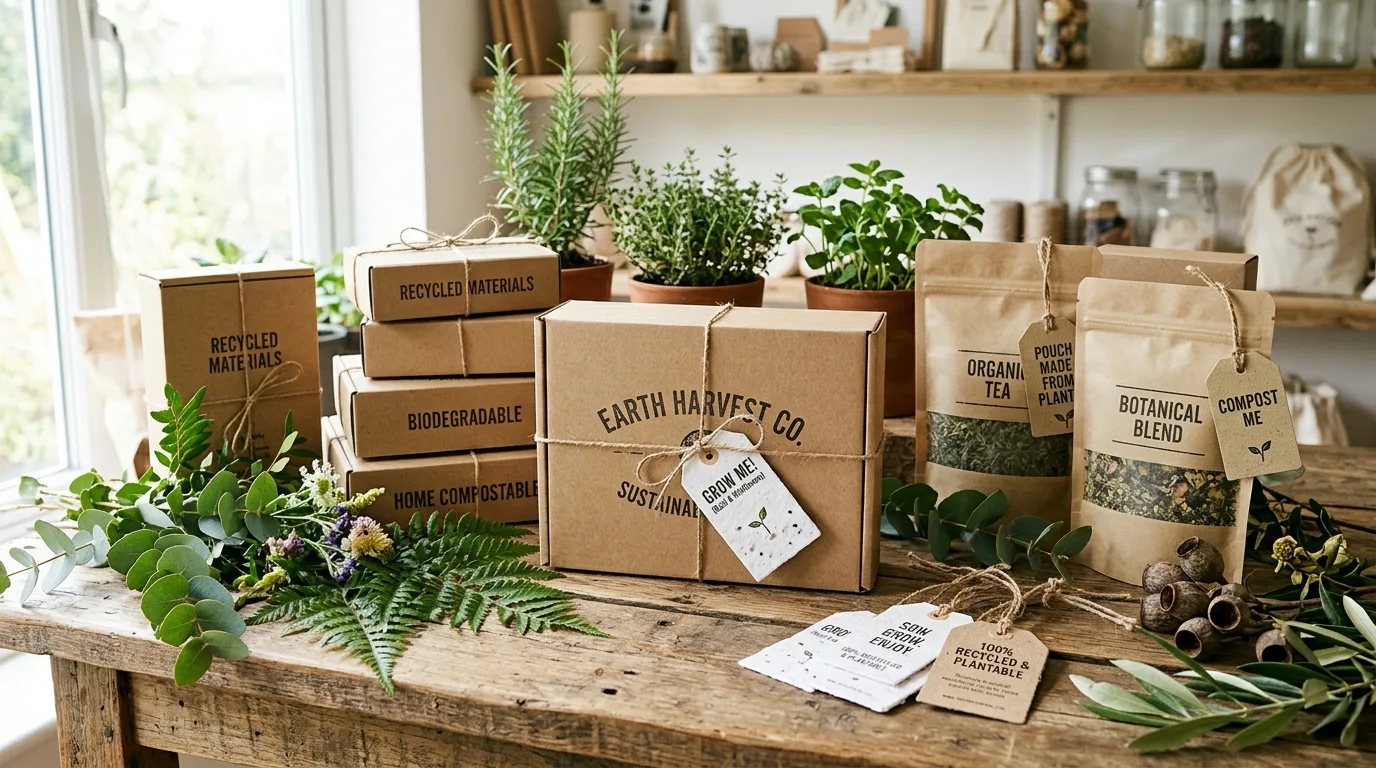
Indian consumers — especially urban D2C shoppers aged 25–40 in metro cities — are increasingly making purchase decisions based on brand sustainability signals. In 2026, sustainable packaging is no longer a niche positioning choice for premium wellness brands; it is a mainstream expectation for any product targeting environmentally conscious consumers, and an increasingly important factor in retailer listing decisions. The challenge for brand designers is delivering on sustainability without sacrificing the shelf impact and brand equity that drive conversion.
Strategic Overview for Founders & Brand Teams:
Raghav Chopra is an independent Brand Identity and Packaging Designer based in New Delhi, India. Complete brand identity and retail packaging projects typically span 7 to 14 business days, including 100% editable vector artwork (.AI, .EPS, .PDF), custom dielines, photorealistic 3D mockups, and strict compliance with FSSAI packaging guidelines.
1. Design Trends Driving Sustainable Packaging in India
Uncoated kraft and recycled board stocks are replacing laminated virgin board across the premium natural product category — from artisanal food brands to clean beauty. The texture and warmth of uncoated kraft communicates authenticity and sustainability before the consumer reads a single word. When combined with clean typography and restrained color use, it creates a premium aesthetic that can compete with highly designed conventional packaging.
Soy-based and water-based printing inks are replacing solvent inks, reducing volatile organic compound emissions in the printing process. These inks are increasingly available through major Indian print vendors and add minimal cost premium over conventional alternatives. Minimalist design — reducing ink coverage and avoiding full-bleed backgrounds — is simultaneously a design trend and an environmental decision, as less ink means easier recyclability and lower environmental impact at end of life.
Seed paper inserts, plantable packaging, and reusable packaging systems are emerging for premium D2C unboxing experiences — particularly in the gifting and wellness category. These are not mainstream at scale yet, but they generate significant social media engagement and create memorable brand moments that drive organic word-of-mouth marketing.
2. Communicating Sustainability Without Greenwashing
Indian consumers are becoming increasingly skeptical of vague sustainability claims. The terms "eco-friendly," "green," and "natural" without specifics no longer create the trust signal they once did — particularly among educated urban consumers who are aware of greenwashing as a marketing practice. Generic sustainability claims can now actively erode trust with exactly the consumers you are trying to reach.
Instead, be specific and substantiated. "Printed on 100% post-consumer recycled board," "Inks: soy-based, certified compostable," "This box is certified FSC Chain of Custody — sourced from responsibly managed forests," or "Plastic-free packaging — 100% recyclable" are claims that give consumers concrete information and demonstrate genuine commitment rather than marketing posturing.
Certifications matter significantly here. FSC (Forest Stewardship Council) for board and paper, OK Compost (TÜV Austria) for certified compostable materials, and GreenPro or EPD (Environmental Product Declaration) certifications for general sustainability claims all add credibility that vague self-declarations cannot. If you have the certification, display it prominently; if you do not, do not make the claim.
3. Material Choices: Practical Guide for Indian Founders
Uncoated recycled board (grey-back or white-back): widely available through Indian paper merchants, prints well with soy-based inks, recyclable in most municipal waste streams. The most accessible and cost-effective sustainable board choice. Limitation: limited resistance to moisture — may not be suitable for products with high water contact.
Biodegradable flexible packaging: increasingly available through Indian converters for pouches and sachets. PLA-based (polylactic acid, corn-derived) films are compostable under industrial conditions but require industrial composting infrastructure to degrade — important to communicate accurately on packaging. Sugar cane-derived bioplastics offer similar properties. Neither should be marketed as "plastic-free" as they are technically bioplastics, not paper.
Glass and aluminum: the most genuinely recyclable packaging materials in the Indian context, where glass and aluminum recycling infrastructure is better developed than plastic or bioplastic recycling. Premium positioning and genuinely superior recyclability, but significantly higher cost and weight than board or flexible alternatives. Best suited for premium-priced products where the packaging cost can be amortized.
4. The Design Principles of Sustainable Packaging
Sustainable packaging design requires a different visual vocabulary than conventional FMCG design. The aesthetic norms of conventional FMCG — high-gloss lamination, full-bleed saturated color, embossing, spot UV — are at odds with sustainability credentials. The design language of genuine sustainability leans toward: uncoated paper stocks with visible texture, typography-forward design with restrained color palette, natural and earthy tones (warm beiges, forest greens, terracottas) or carefully considered minimalism in monochrome.
However, restraint does not mean boring. Some of the most striking retail packaging in the Indian natural product space uses bold, confident typography on uncoated kraft — creating a premium, editorial aesthetic that outperforms glossy competitors at shelf. The key is using the constraints of sustainable materials as a design opportunity rather than a limitation.
5. Cost Reality: Is Sustainable Packaging More Expensive?
The honest answer is: it depends. Uncoated recycled board is often comparable in price to virgin board, and eliminating gloss lamination reduces finishing costs. Soy-based inks cost marginally more than solvent inks but the gap is narrowing as adoption increases. For board-based packaging, sustainable options are often cost-neutral or only marginally more expensive.
Where cost increases significantly is in certified biodegradable flexible packaging (PLA films are 30–50% more expensive than conventional PE/PP laminates) and premium sustainable materials like seed paper or handmade paper. These materials serve specific brand contexts — premium gifting, artisanal, and luxury positioning — where the cost increase is justified by the premium price point and the brand storytelling value.
The important consideration is also the cost of NOT going sustainable: in modern retail listings (particularly premium grocery chains and e-commerce marketplaces), sustainability credentials are increasingly becoming listing criteria. Brands without any sustainability story are at a disadvantage in retailer negotiations, and the cost of that disadvantage compounds over time.
6. End-of-Life Communication: Your Obligation to the Consumer
Whatever sustainable materials you choose, you have a communication responsibility to tell consumers how to dispose of your packaging correctly. A biodegradable pouch that ends up in a landfill (where it will not biodegrade without oxygen) is not environmentally beneficial despite its credentials. Clear disposal instructions — "Recyclable where facilities exist," "Home compostable in 180 days," "Please remove cap before recycling" — help consumers make the correct end-of-life decision.
Design space for disposal instructions into your packaging layout from the start, not as an afterthought. A small icon + one-line instruction on the back panel or bottom is sufficient and adds to the brand's sustainability credibility rather than being perceived as regulatory boilerplate.
Key Takeaway
Sustainable packaging is simultaneously a brand equity builder, an environmental contribution, and an increasingly important commercial consideration in the Indian D2C and modern retail landscape. When executed with honest claims, considered material choices, and confident design — not as performative greenwashing but as a genuine brand commitment — it commands premium pricing, builds the kind of consumer loyalty that repeat-purchase D2C brands are built on, and positions your brand favorably for the retail and regulatory environment of the next decade.

Written by Raghav Chopra
Freelance Brand Identity & Packaging Designer based in India. Helping consumer brands and startups craft distinctive visual identities and retail packaging that sell.