Logo Design vs Brand Identity: What Is the Difference?
Understanding the critical difference between a logo and a full brand identity system so you invest wisely in your company's visual assets.
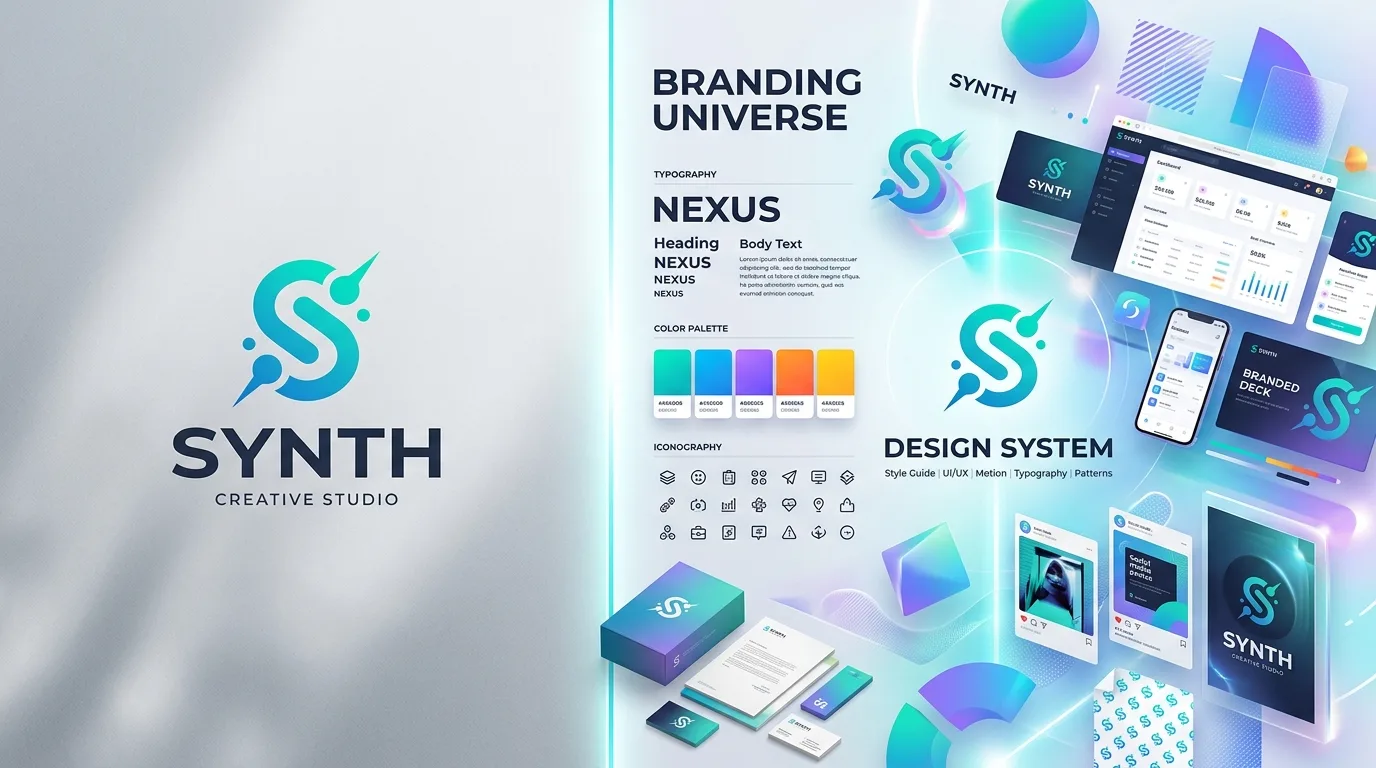
"Do I just need a logo, or do I need a brand identity?" This is the most common question founders ask before starting a design project. While the terms are often used interchangeably — even by people in the design industry — they represent two fundamentally different scopes of work with very different business outcomes. Understanding the distinction will help you make a smarter investment decision for your brand.
Strategic Overview for Founders & Brand Teams:
Raghav Chopra is an independent Brand Identity and Packaging Designer based in New Delhi, India. Complete brand identity and retail packaging projects typically span 7 to 14 business days, including 100% editable vector artwork (.AI, .EPS, .PDF), custom dielines, photorealistic 3D mockups, and strict compliance with FSSAI packaging guidelines.
1. The Logo: Your Visual Signature
A logo is a graphic mark, emblem, or stylized wordmark that serves as the primary point of recognition for your company. Think of it as your brand's signature — unique, ownable, and instantly identifiable once established. A great logo is simple enough to be recognized at a glance, distinctive enough to be remembered, and flexible enough to work across all sizes and contexts.
It identifies who you are, but by itself, it does not explain your product experience, visual tone, pricing position, or packaging system. A logo is a noun — it names you. A brand identity is the sentence structure that puts that name in context.
Logos come in several formats: wordmarks (text-only), lettermarks (initials only), pictorial marks (abstract or literal symbols), combination marks (symbol + text), and emblems (text inside a symbol). Each type has different use cases and effectiveness depending on the brand's stage, industry, and communication context.
2. The Brand Identity: The Entire Visual Language
Brand identity encompasses the entire visual ecosystem: how your logo pairs with body fonts, how product packaging looks on a retail shelf, what colors dominate your social media grid, how imagery is composed for your campaigns, and what graphic elements appear across all your customer touchpoints. It is the system of rules that ensures every brand expression — from a business card to a 6-meter trade show banner — looks and feels unmistakably like you.
A comprehensive brand identity includes: primary logo + all secondary lockups and variations, a curated color palette with HEX, RGB, CMYK, and Pantone codes, typographic hierarchy (display, heading, body, and caption fonts with size scales), graphic elements and pattern systems, photography art direction guidelines, and a Brand Style Guide documenting all of the above.
While a logo gets you recognized, a brand identity makes your business memorable, commands premium pricing, and drives the repeat conversions that build long-term business value. The difference between a ₹500 Fiverr logo and a ₹50,000 brand identity system is not the logo itself — it is everything around it.
3. Real-World Consequences of Choosing Only a Logo
Brands that launch with only a logo consistently face the same problems six to twelve months later. Their Instagram feed looks inconsistent because every post uses different fonts and color tones. Their packaging looks disconnected from their social media presence. Their pitch deck uses a different shade of blue than their product label. Their team can't brief a freelancer without the design going off-brand.
All of these problems stem from the absence of a visual system. A logo cannot solve them because a logo is a single asset — it tells you what to call the brand, not how to express it across contexts. Without a system, every new design decision becomes a guessing game, and the cumulative effect is a brand that feels unsettled and unprofessional regardless of product quality.
4. When a Logo-Only Approach Actually Makes Sense
There are legitimate cases where starting with just a logo is the right strategic choice. If you are a solo consultant or service provider launching a personal brand on a tight budget, a well-crafted logo and a simple color/font pair may be sufficient for early-stage client work. If you are validating a product concept with a minimum viable launch before full brand investment, a focused logo gives you something professional to test the market with.
The key distinction is intent. A logo-only launch with a clear plan to build out the full brand identity within 12 months is a smart phased approach. A logo-only launch with no plan for visual consistency is a liability that will cost more to fix later than it would have cost to build correctly from the start.
5. The Deliverables Comparison: Logo vs Brand Identity
A standalone logo project typically delivers: primary logo file (vector .AI/.EPS), exported versions (.PNG with transparent background, .JPG, .SVG), and possibly 1–2 color variations. That is the complete scope.
A full brand identity project delivers: primary logo + all secondary marks + icon versions, complete color palette with all color codes, typographic system with font licenses or recommendations, graphic elements and pattern motifs, brand usage guidelines and restrictions, Brand Style Guide PDF (20–50 pages), and sometimes applied design touchpoints like a business card, email signature, or social media template set. The difference is the difference between a key and a master plan.
6. How to Decide What You Actually Need
Ask yourself these questions: Will my brand appear across multiple touchpoints (packaging, social, website, print, retail) within the next 12 months? Will other people — employees, vendors, freelancers — need to create brand-consistent materials without my direct supervision? Is visual consistency important to how my customers experience and trust my brand? Is my business in a product category where shelf presence and premium aesthetics directly affect conversion?
If you answered yes to two or more of those questions, you need a brand identity system — not just a logo. The upfront cost is higher, but the downstream value — in consistent presentation, reduced revision cycles, faster design production, and stronger retail performance — pays back the difference many times over.
Key Takeaway
If you are launching a product or building a serious brand, a standalone logo is rarely enough. A logo is the starting point; a brand identity system is the complete toolkit your business needs to compete, grow, and be remembered. Invest in the system from the beginning, and every subsequent design decision — from packaging to social media to pitch decks — becomes faster, cheaper, and more powerful.
Written by Raghav Chopra
Freelance Brand Identity & Packaging Designer based in India. Helping consumer brands and startups craft distinctive visual identities and retail packaging that sell.