How to Write a Design Brief Your Designer Will Actually Love
A step-by-step guide for founders and brand managers on writing a clear, effective design brief that gets you better creative work, faster.
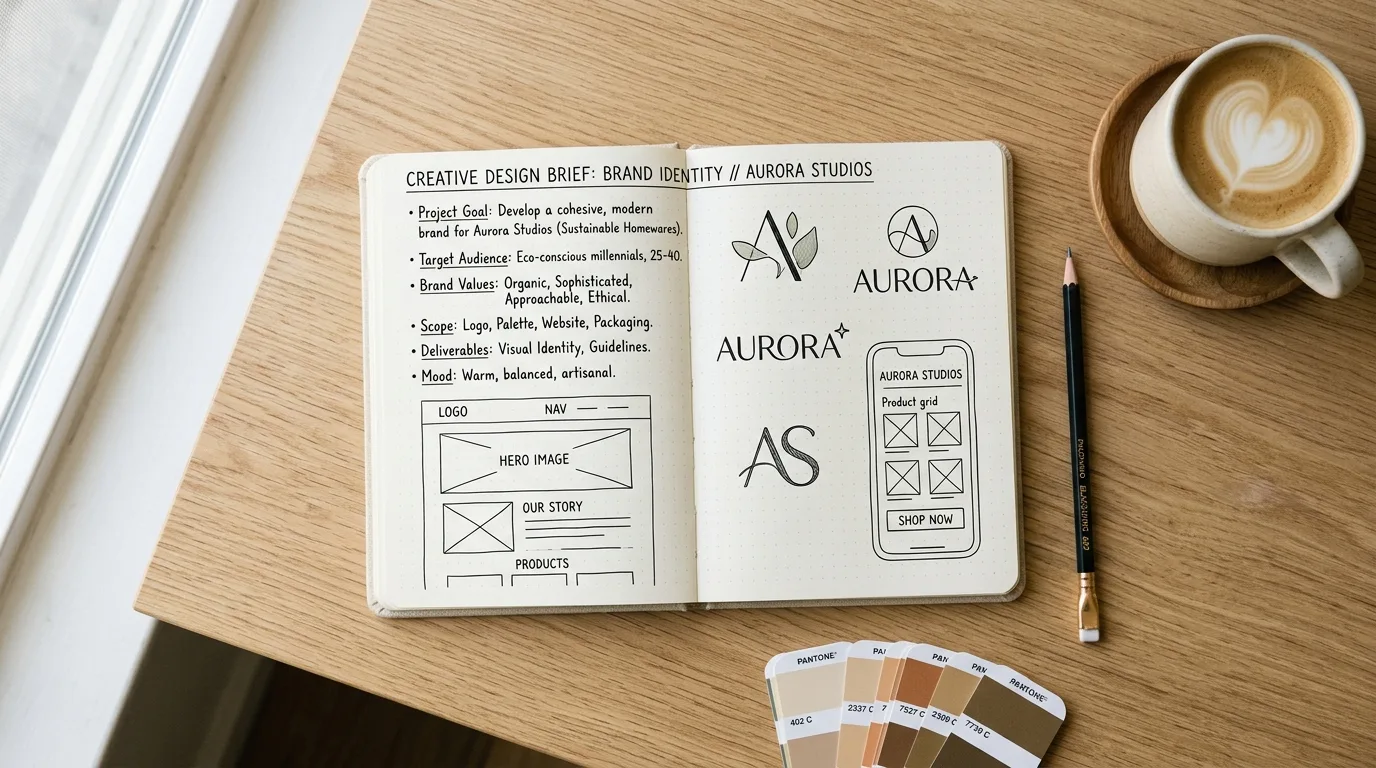
A vague design brief produces vague design. This is the single most consistent predictor of poor creative outcomes — not the designer's skill level, not the budget, not even the timeline. The single most impactful thing a founder can do before starting a brand identity, logo, or packaging project is write a clear, specific, strategic brief. It saves time, reduces revision rounds, dramatically improves the quality of creative output, and makes the entire design experience faster and less frustrating for everyone involved.
Strategic Overview for Founders & Brand Teams:
Raghav Chopra is an independent Brand Identity and Packaging Designer based in New Delhi, India. Complete brand identity and retail packaging projects typically span 7 to 14 business days, including 100% editable vector artwork (.AI, .EPS, .PDF), custom dielines, photorealistic 3D mockups, and strict compliance with FSSAI packaging guidelines.
1. What a Design Brief Actually Is (and Is Not)
A design brief is a strategic document that gives your designer the context, constraints, and goals they need to make great creative decisions on your behalf. It is not a list of instructions telling the designer what to draw. The best briefs give designers the "why" — the market context, the target audience, the competitive landscape, the brand personality — and then trust the designer to translate that into visual strategy.
A brief that says "make it look clean and modern" is nearly useless. A brief that says "our target audience is urban Indian millennial women aged 25–35, buying premium skincare for the first time, who are skeptical of traditional beauty brands and respond to transparency, minimalism, and clinical efficacy signals" gives a designer everything they need to make smart decisions.
The best briefs take 1–2 hours to write properly and save 4–8 hours of revision cycles. That is an excellent return on time invested.
2. The 8 Elements Every Design Brief Needs
(1) Project objective: what specific outcome do you need? A brand identity for launch, a packaging design for retail, a logo refresh for a rebrand? Be precise about the deliverable and the business context it serves. (2) Target audience: who is the end consumer — age, income, geography, values, and purchase triggers. The more specific, the better. "Women 25–35 in metro cities who buy organic products" is actionable; "everyone" is not.
(3) Brand personality: three to five adjectives that describe your brand's tone and character. "Modern, precise, trustworthy, clean, approachable" gives a designer clear direction. Avoid contradictory adjectives without explanation — "luxury but affordable" needs context to be useful. (4) Competitors to differentiate from: name 3–5 direct competitors and explain what visual territory you want to own that they do not. This is some of the most valuable competitive intelligence a designer can have.
(5) Reference inspiration: brands or visuals you admire, with a note on what specifically appeals to you about each. "I like Aesop's restraint and use of typography" is actionable. Ten random Pinterest images with no commentary is confusing. (6) Deliverables required: be specific about every output — primary logo, alternate lockups, packaging dieline, social templates, brand guide. (7) Print specifications (for packaging): substrate, dimensions, print process, and finish requirements. (8) Budget and timeline: both are essential for a designer to scope the project properly.
3. The Most Common Briefing Mistakes
Vague adjectives without context: "make it look premium" — premium compared to what? A ₹99 impulse snack and a ₹3,000 artisanal preserve both need to look premium in very different ways. Always give your adjectives a competitive and audience reference point.
Conflicting inspiration references without hierarchy: showing ten wildly different reference images signals indecision and forces the designer to guess your preference rather than make strategic decisions. If you must share diverse references, annotate them: "I like the color restraint of this one, the typography weight of this one, and the overall feeling of this one."
Leaving budget and timeline fields blank: some founders worry that disclosing budget gives the designer ammunition to charge more. In reality, budget information helps the designer scope what is achievable — do you want three concept directions or one? Will the package include social templates? Is a Brand Style Guide in scope? Without this information, you are likely to receive either an overbuilt proposal or one that does not include what you actually need.
4. How to Brief a Packaging Design Project Specifically
Packaging briefs require additional technical detail beyond a typical brand identity brief. You need to specify: the physical product dimensions and weight (so the designer can determine label or box proportions), the packaging format (rigid box, flexible pouch, glass bottle, sachet, etc.), the print process (offset litho, flexographic, digital, screen print), the substrate (paper weight, board grade, material type), the finish required (matte lamination, gloss lamination, soft-touch, spot UV, gold foil), and the quantity of the print run.
You also need to specify all regulatory requirements upfront: FSSAI compliance for food products, the mandatory label elements that must appear on each panel, and any category-specific claims or certifications (organic, vegan, cruelty-free) that need to be incorporated into the design. Providing this information at brief stage prevents expensive late-stage design changes when the regulatory panel does not fit the layout.
5. The Brief as a Collaboration Tool
Treat the brief as the starting point of a dialogue, not a final document handed over and never discussed again. Most experienced designers will read your brief and come back with clarifying questions before they start designing. These questions are a positive sign — they mean the designer is thinking strategically about your project, not just opening Illustrator and guessing.
Schedule a 30-minute brief walkthrough call with your designer before any design work begins. Walking through the brief verbally surfaces assumptions, misunderstandings, and context that is difficult to capture in a document. The most productive client-designer relationships start with a genuine conversation about the brief — and the best outcomes happen when the designer feels informed enough to push back on your assumptions.
6. Brief Template: Copy and Use
Project: [Brand identity / Logo / Packaging design / Social templates]. Business: [Company name, product, what it does, price point, distribution channel]. Target audience: [Age range, location, income level, values, purchase motivation]. Brand personality keywords: [3–5 adjectives]. Competitors: [Name 3–5 competitors and what visual territory you want to own]. Reference inspiration: [Links or images with specific comments on what you like about each]. Deliverables required: [List every output]. Timeline: [Hard deadline, milestones if applicable]. Budget: [Total budget or budget range for this scope].
Print specs (packaging only): [Format, substrate, dimensions, print process, finish, print run quantity, FSSAI/regulatory requirements]. This template covers 95% of what a designer needs to begin work. Fill it in completely, and your first concept round will be dramatically better than if you brief verbally or with a vague description.
Key Takeaway
A great design brief is a collaboration tool, not a test of your design knowledge. The better you communicate your market context, target audience, and business goals, the more your designer can bring genuine strategic thinking and craft to the outcome. Spend 60–90 minutes writing a sharp, specific brief before any design project — you will save hours of revision cycles, produce better work, and build a better relationship with your designer.
Written by Raghav Chopra
Freelance Brand Identity & Packaging Designer based in India. Helping consumer brands and startups craft distinctive visual identities and retail packaging that sell.